.webp)
.webp)

UniCortTM Elbow
A first in elbow surgery, by surgeons for surgeons. Designed in Europe, alongside esteemed surgeons at the operation table, The UniCortTM Elbow Button introduces an innovative approach to distal biceps tendon repair. Changing surgical outcomes, but not established workflows.
Based on practice and proven in practice. In co-operation with Roger van Riet and Pieter Caekebeke.
How it operates
The UniCortTM Elbow Button offers an inlay solution for distal biceps tendon surgery in the radius. This technique provides secure fixation at the anatomical footprint while avoiding the risks associated with bicortical drilling, in particular posterior interosseous nerve damage. The result is a simpler surgical intervention that benefits both surgeon and patient.
Surgeon and patient advantages
By drilling an angled, unicortical tunnel instead of a non-anatomical bicortical tunnel, the tendon is reattached at its natural insertion site, preserving forearm supination and improving strength.
This inlay technique reduces complication rates in terms of nerve and muscle injury, loss of forearm supination and tendon re-rupture.
It provides fixation strength comparable to bicortical techniques, as demonstrated in clinical and biomechanical studies.
Matching the drill orientation of 45° to the load vector (rather than a deadman’s angle) enhances fixation stability and reduces tendon stress.
The implants allow for highly precise button placement.
The button shortens your operative time thanks to fewer steps and lower technical demand.
A simplification of your working method
The procedure is geared to the way you operate today. It is by respecting surgeons’ current expertise and techniques that we have been able to simplify their workflow. The result: implants that minimise invasiveness and allow for highly precise button placement.
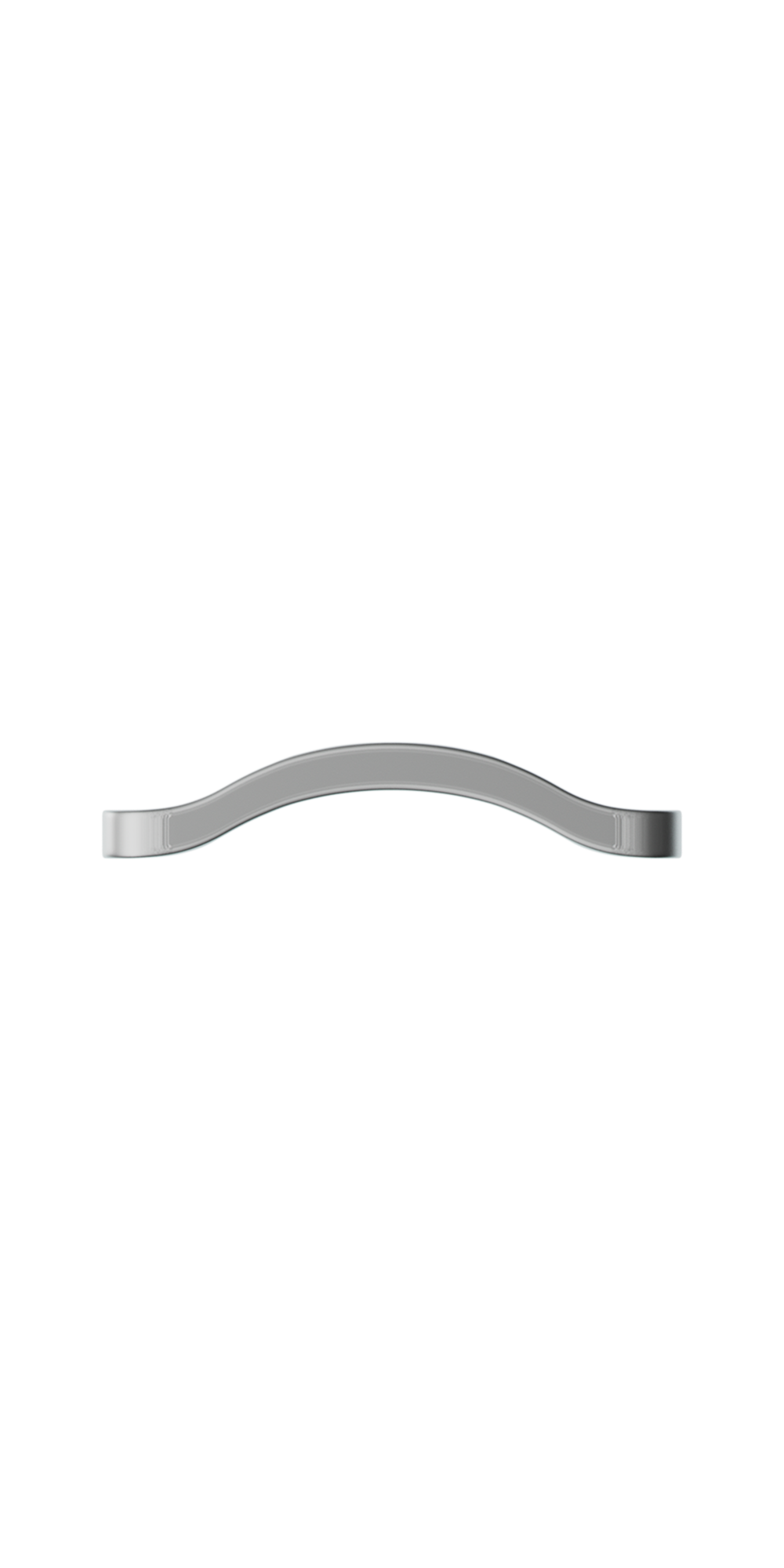
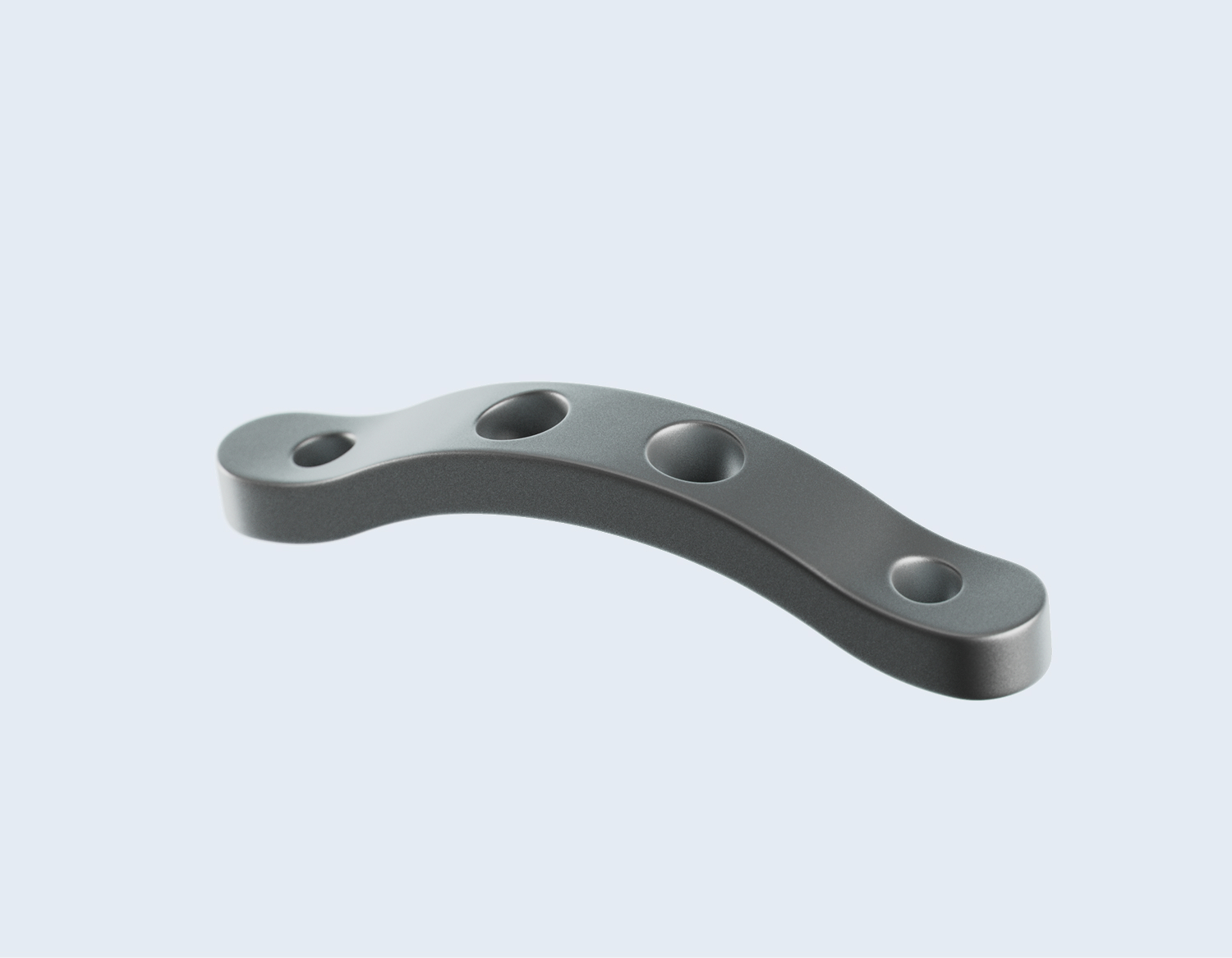
The UniCort Button sutures and secures the distal biceps tendon unicortically to the bone, keeping everything in place.
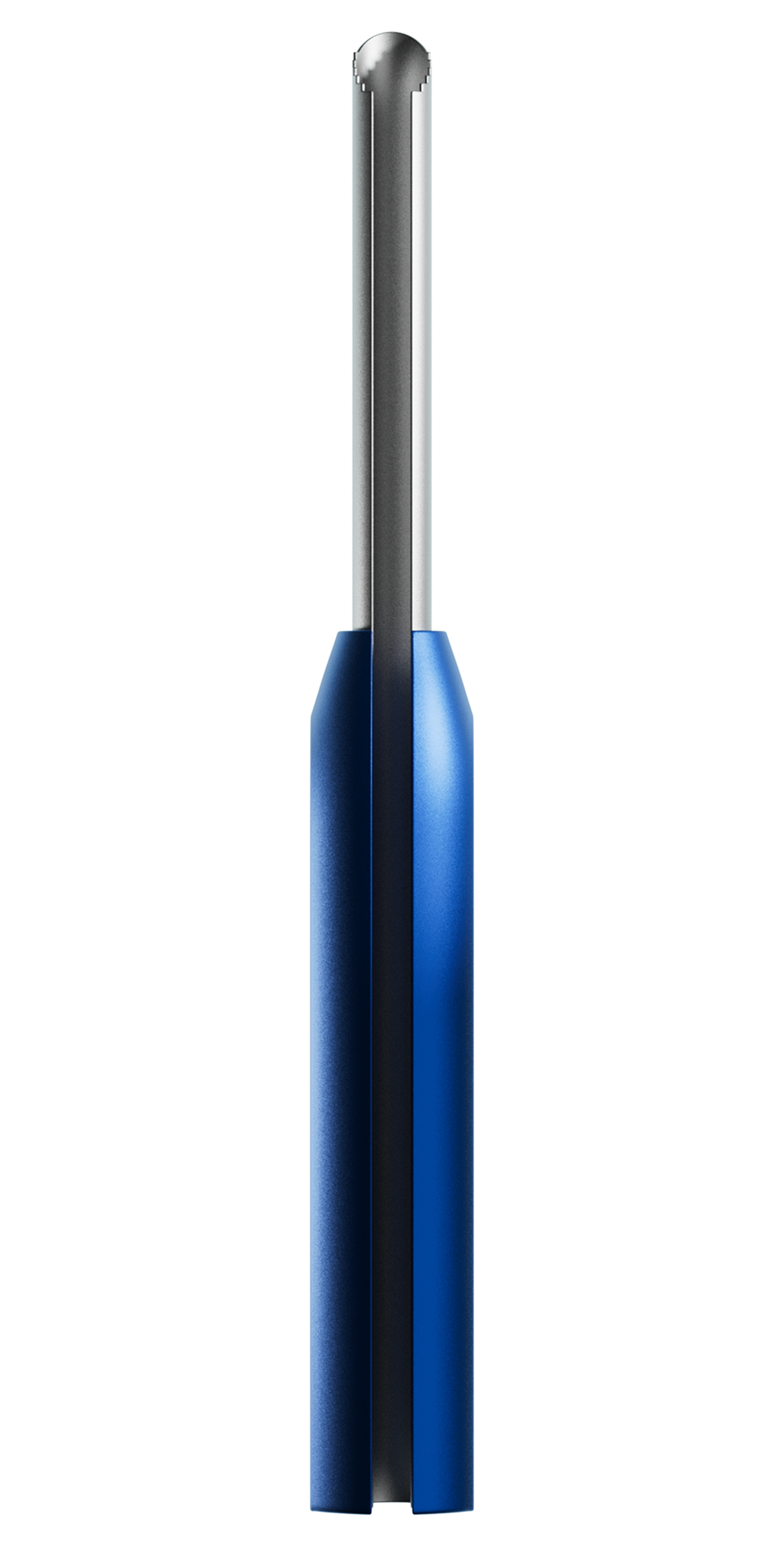
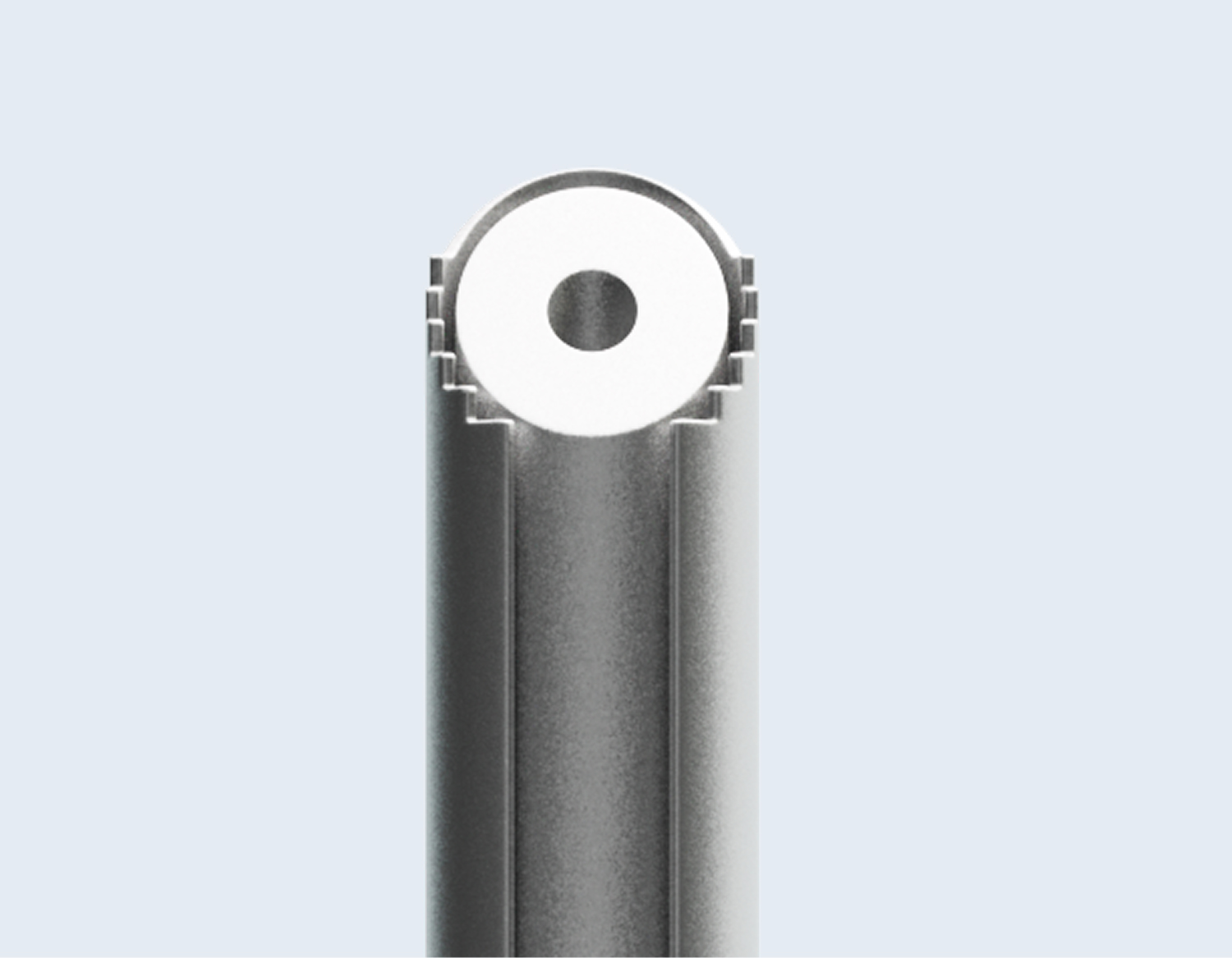
Its 45° angle reduces the deadman's angle by following the anatomical trajectory of the distal biceps tendon toward the radial tuberosity.
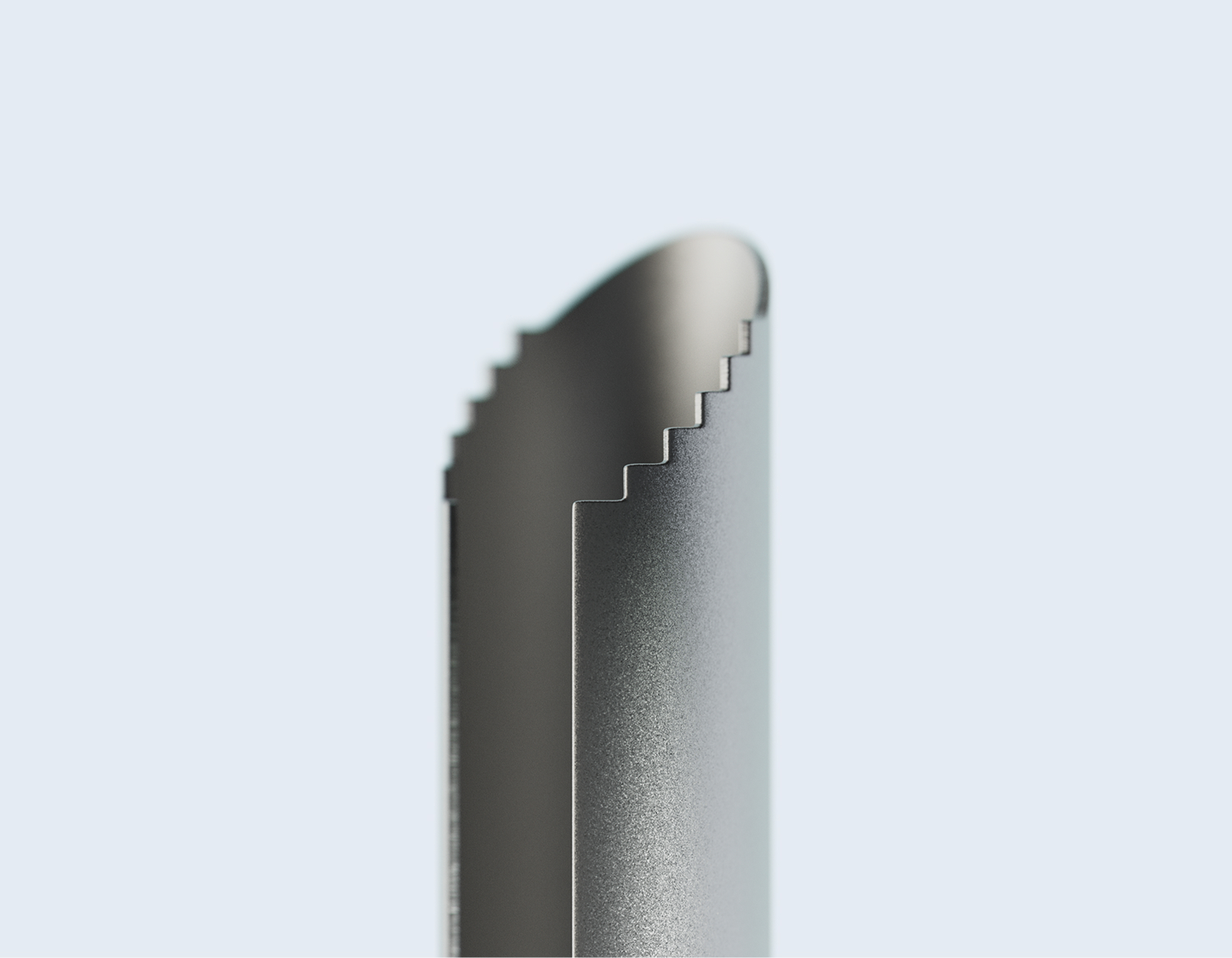
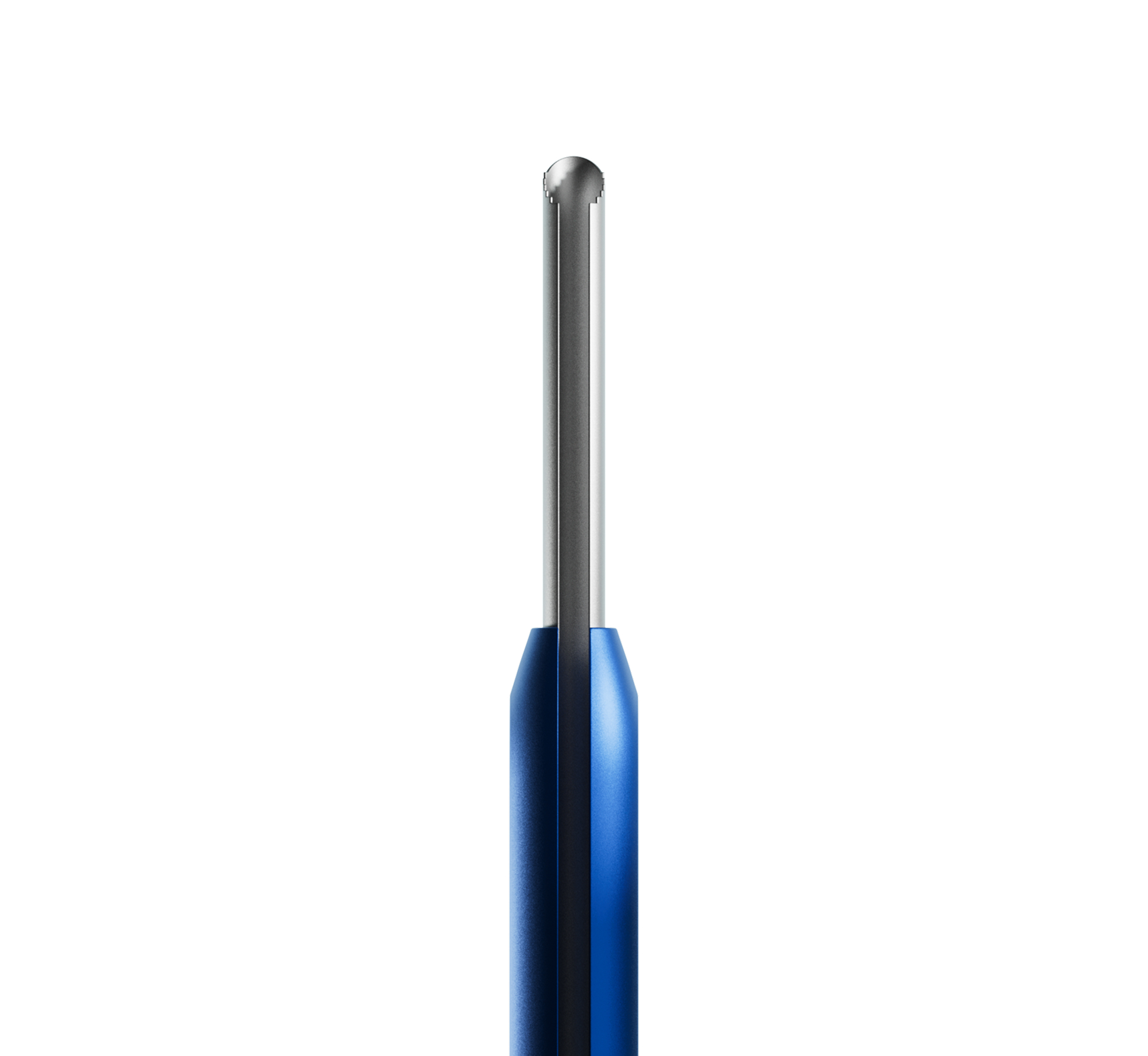
Once placed on the radius bone, the teeth at the end provide grip during the insertion of the passing pin.
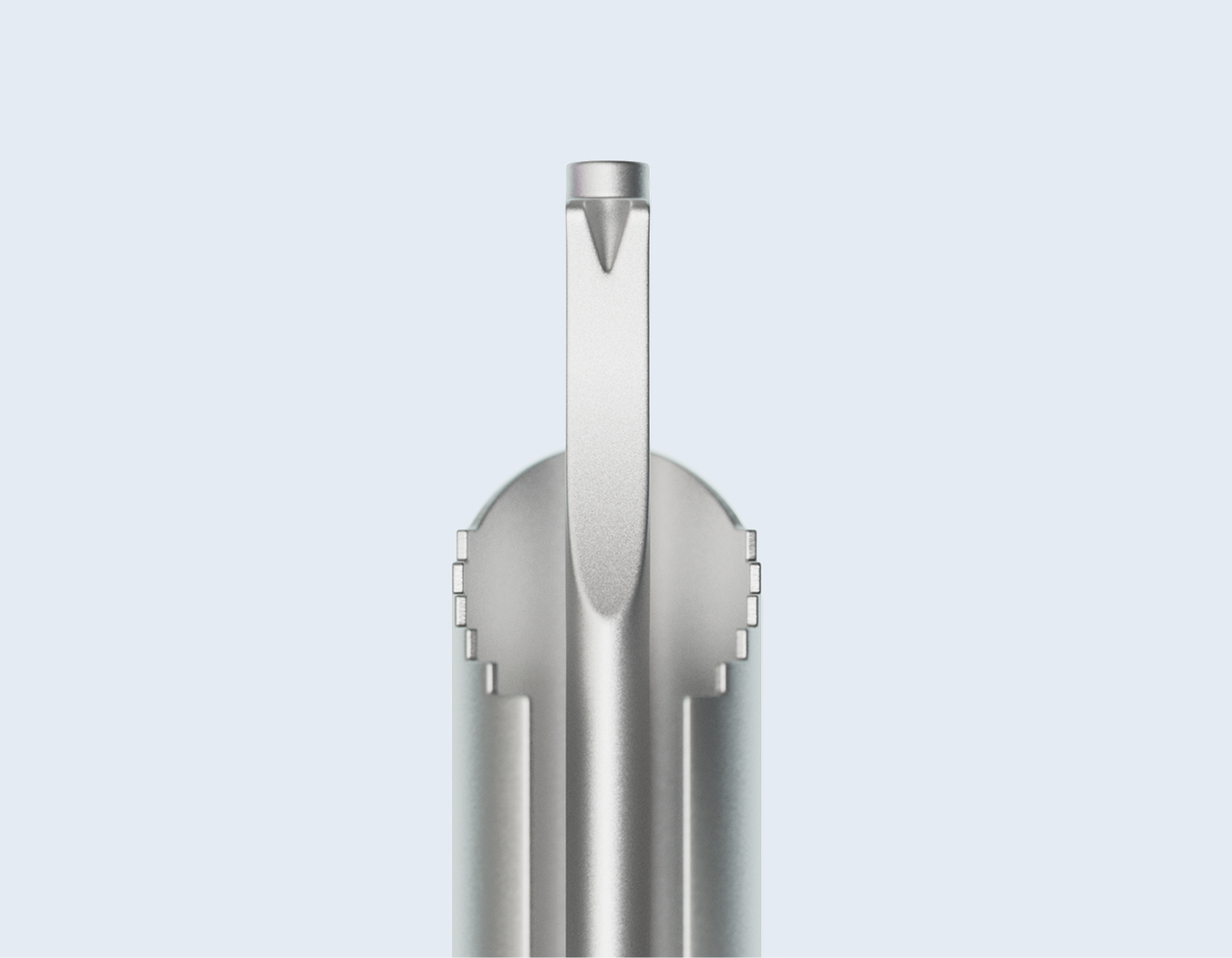
The lateral slot, in addition, allows for faster and easier removal of the knot pusher.
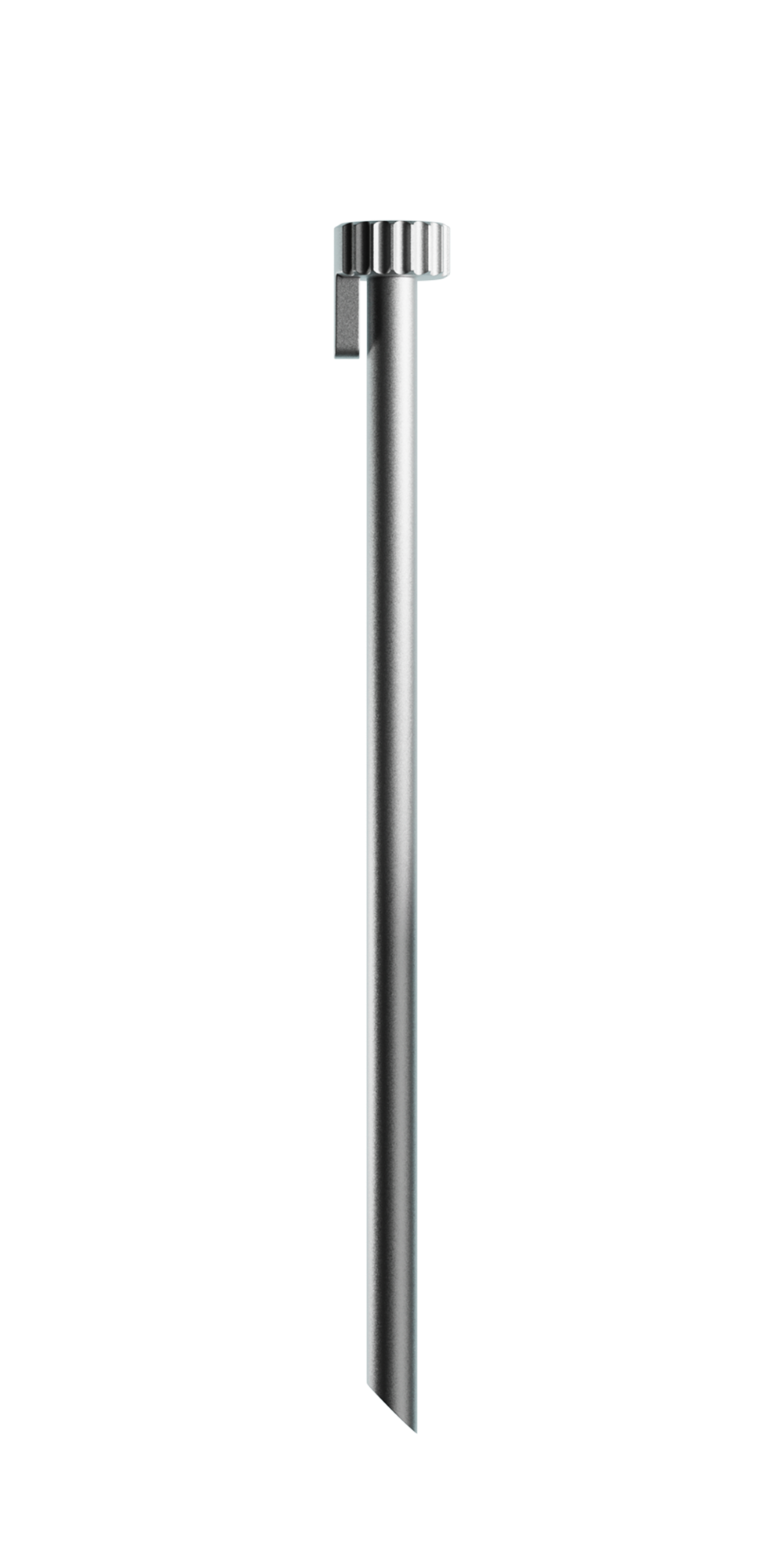
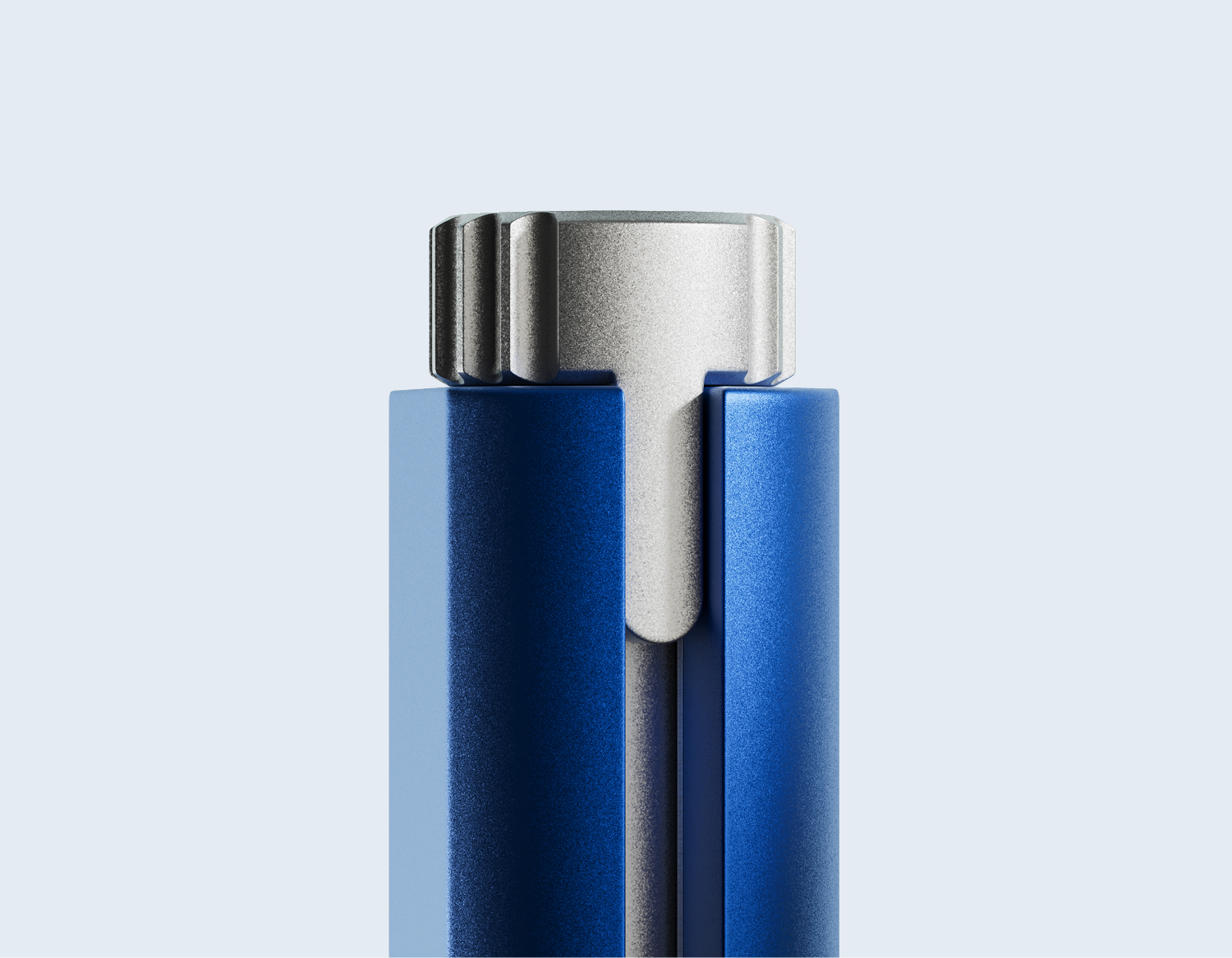
The locking mechanism at the top secures onto the slotted guide, providing enhanced stability during insertion of the passing pin into the bone.
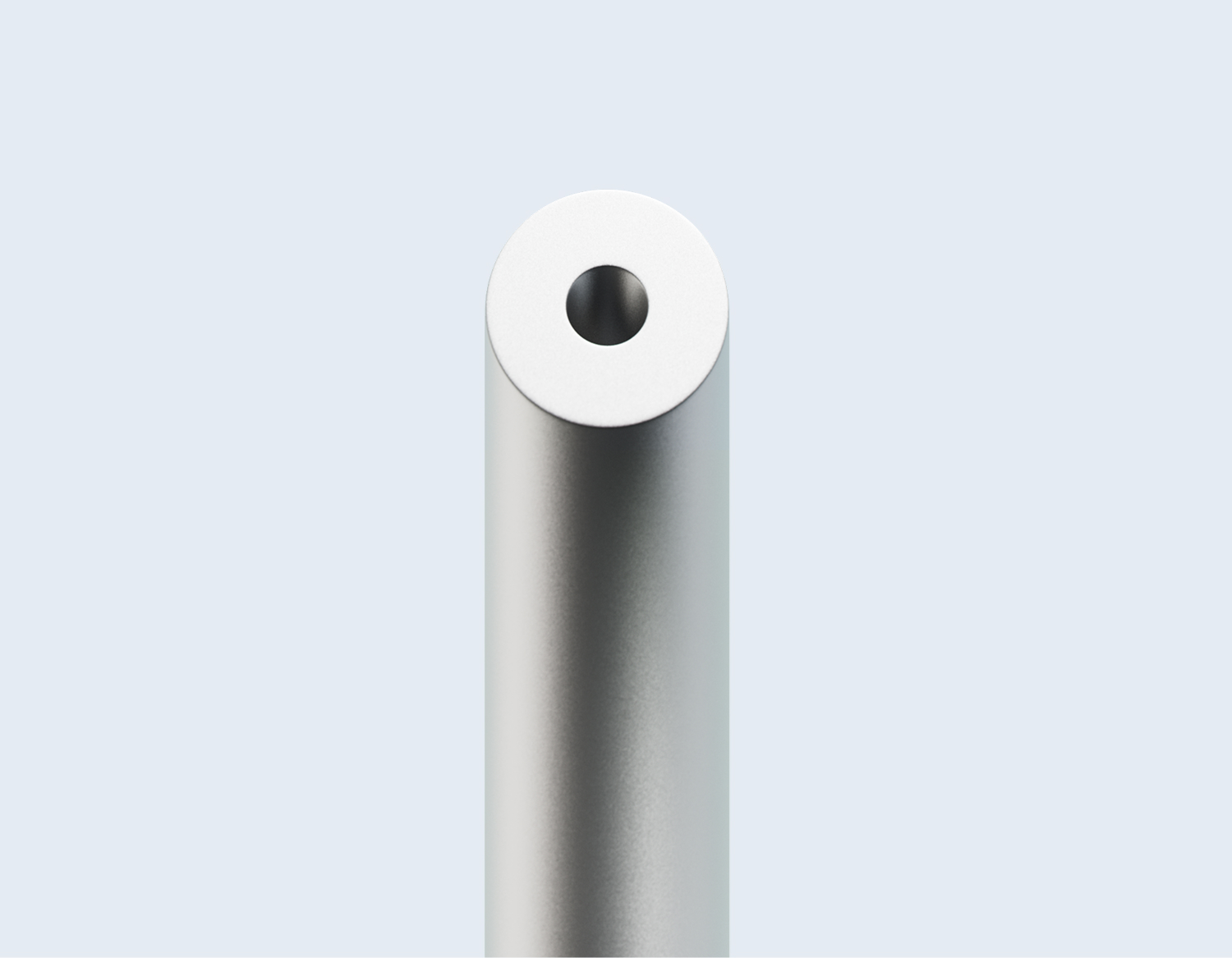
Furthermore, the device features a 45° angle to reduce the deadman’s angle.
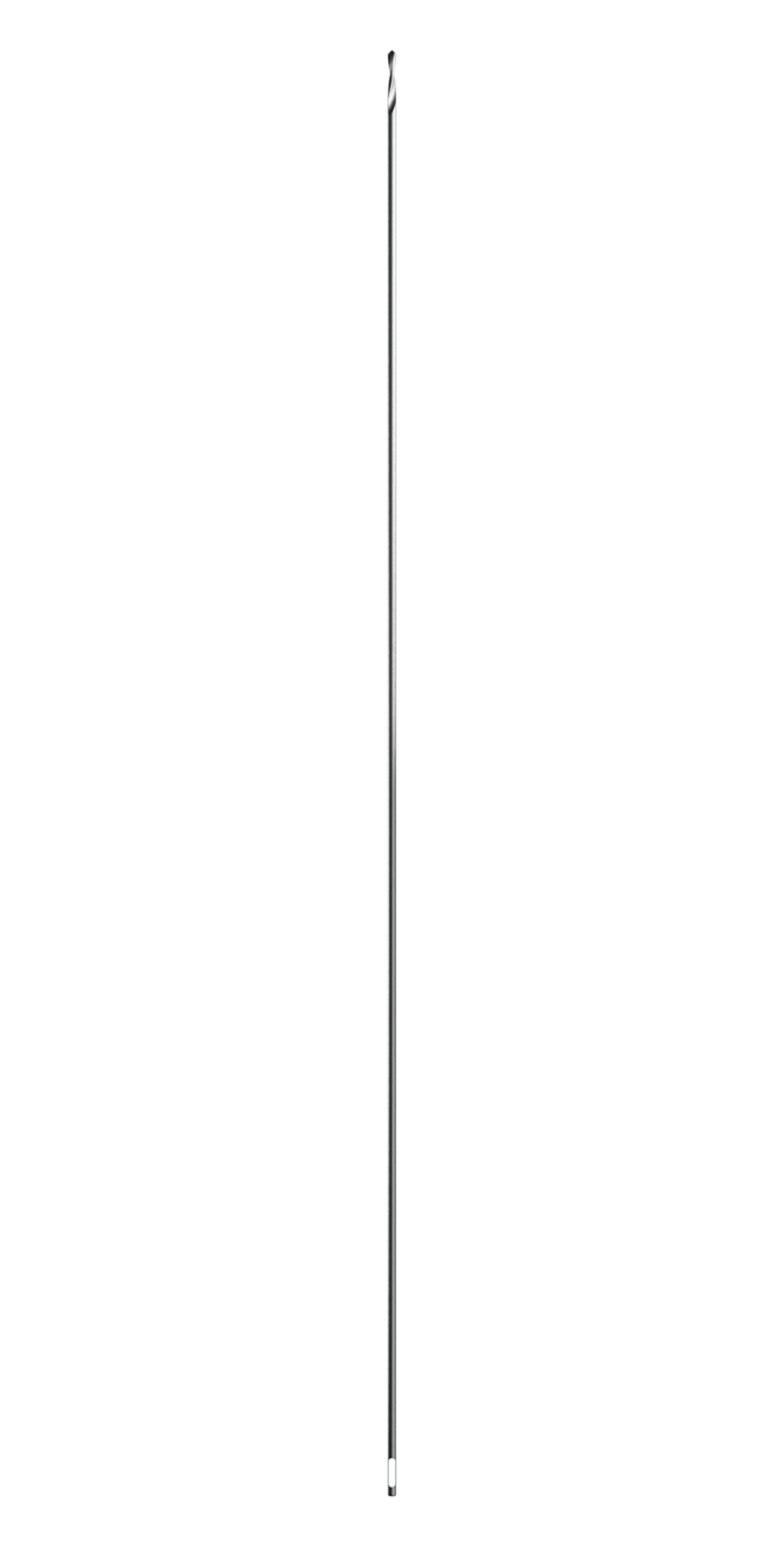
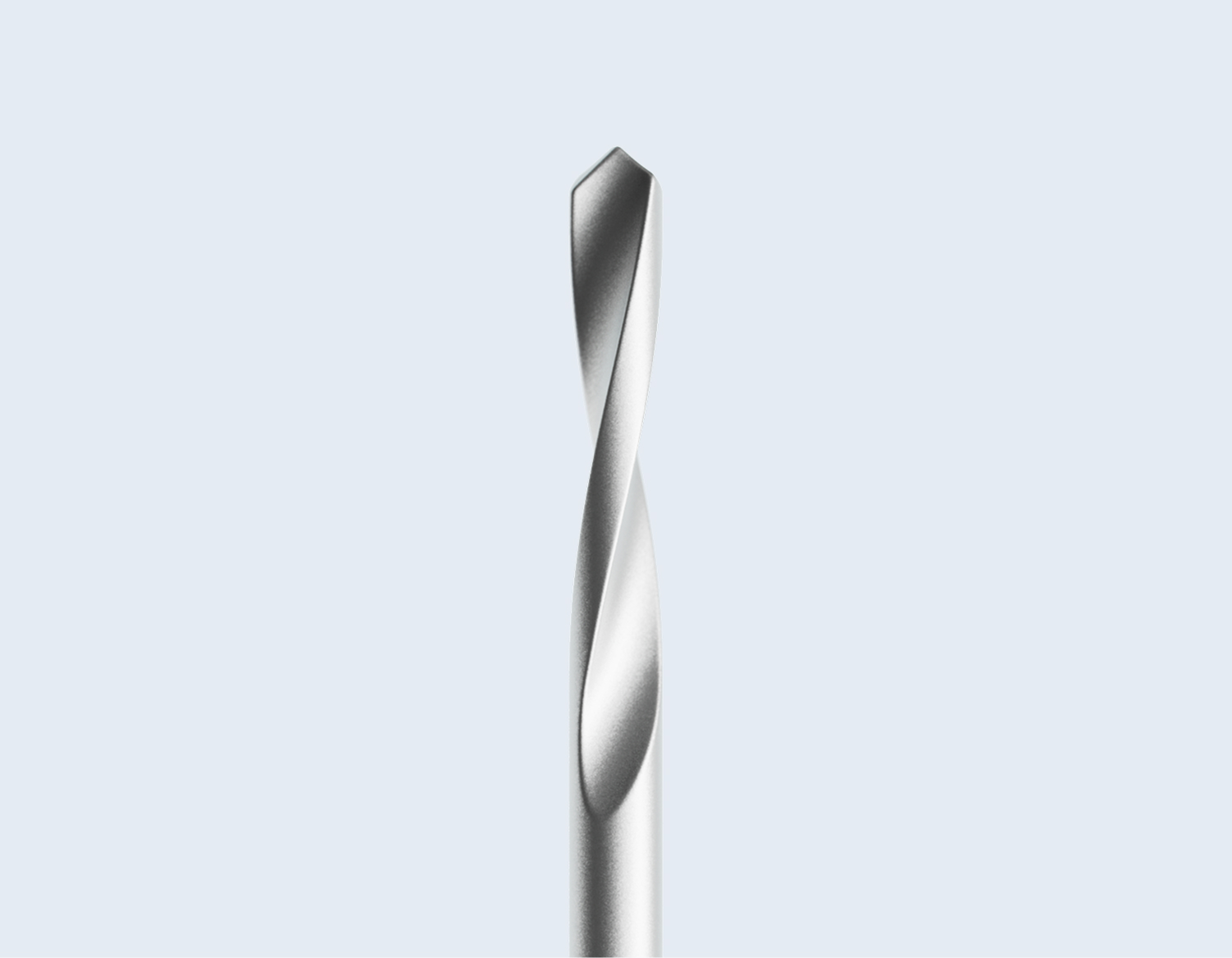
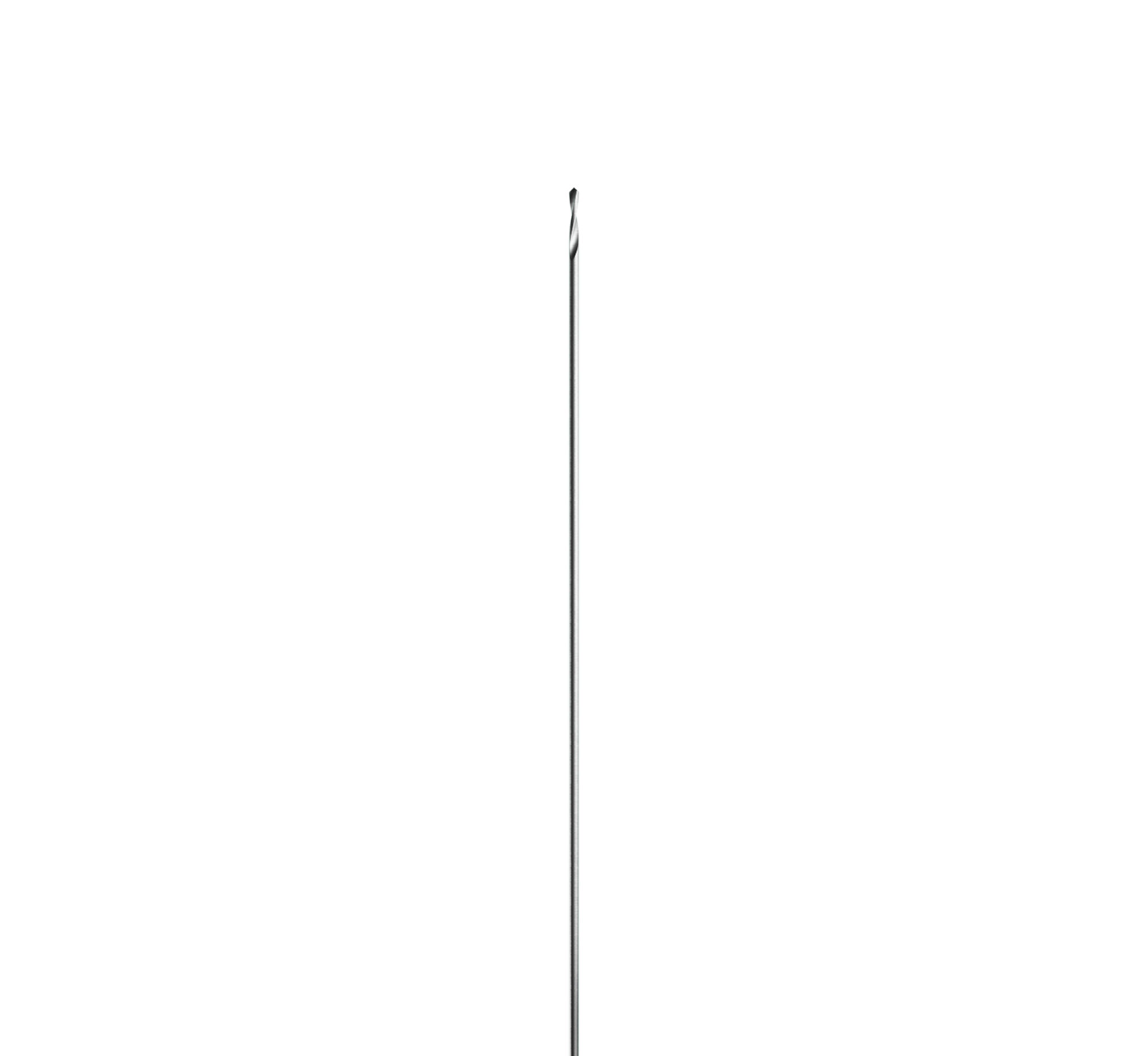
The pointed tip (2.4 mm) of the passing pin creates a precise pilot hole to stabilise the subsequent
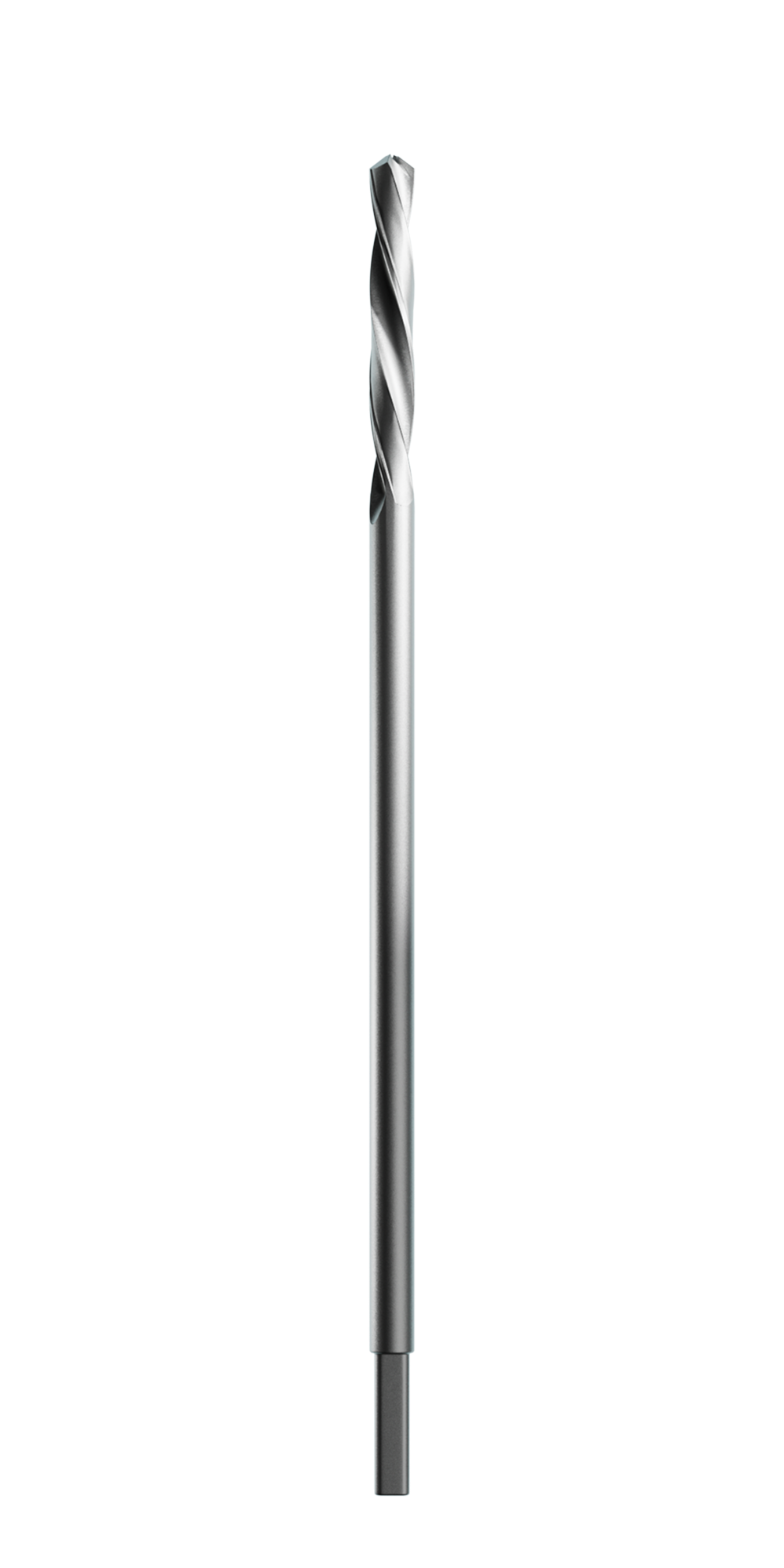
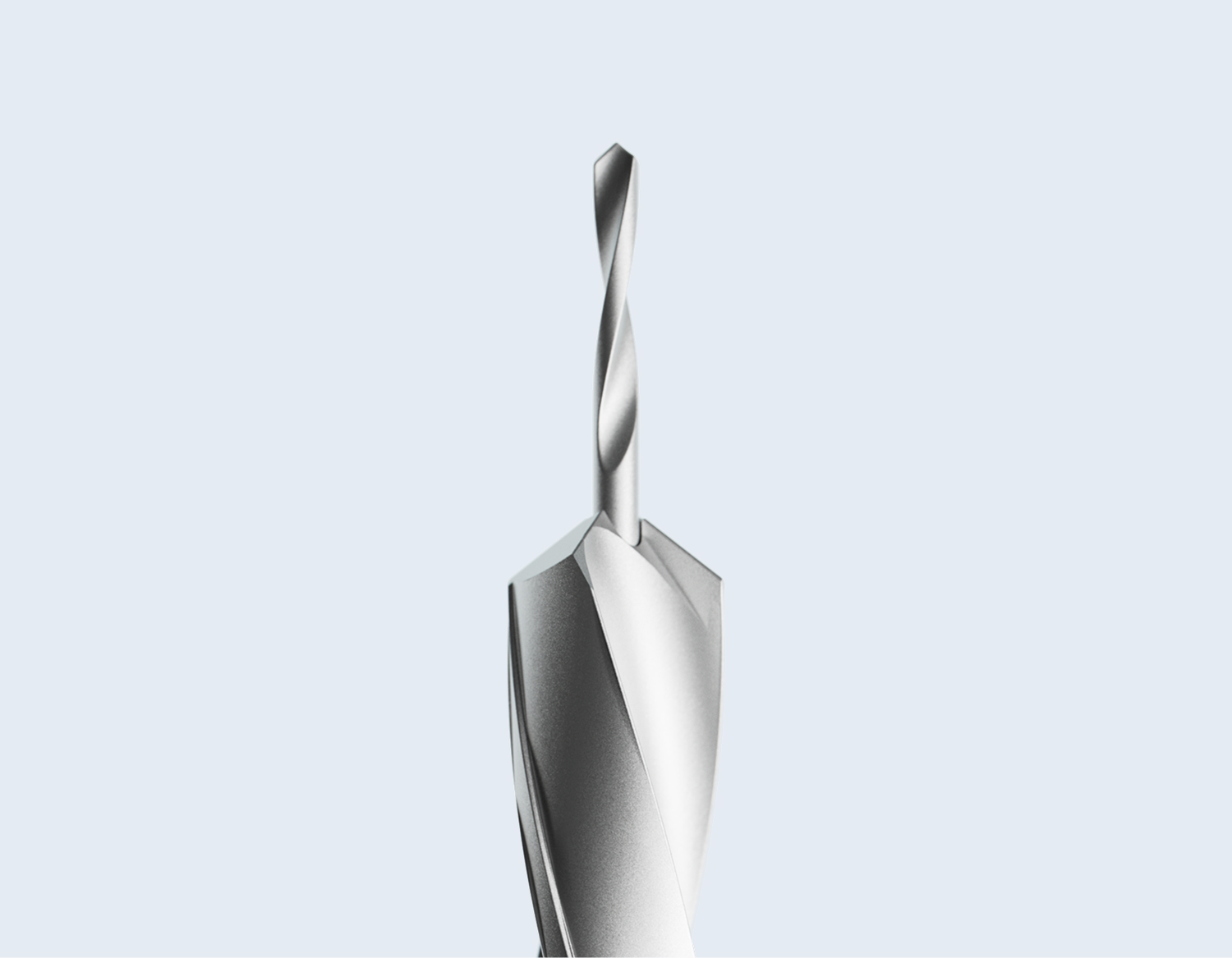
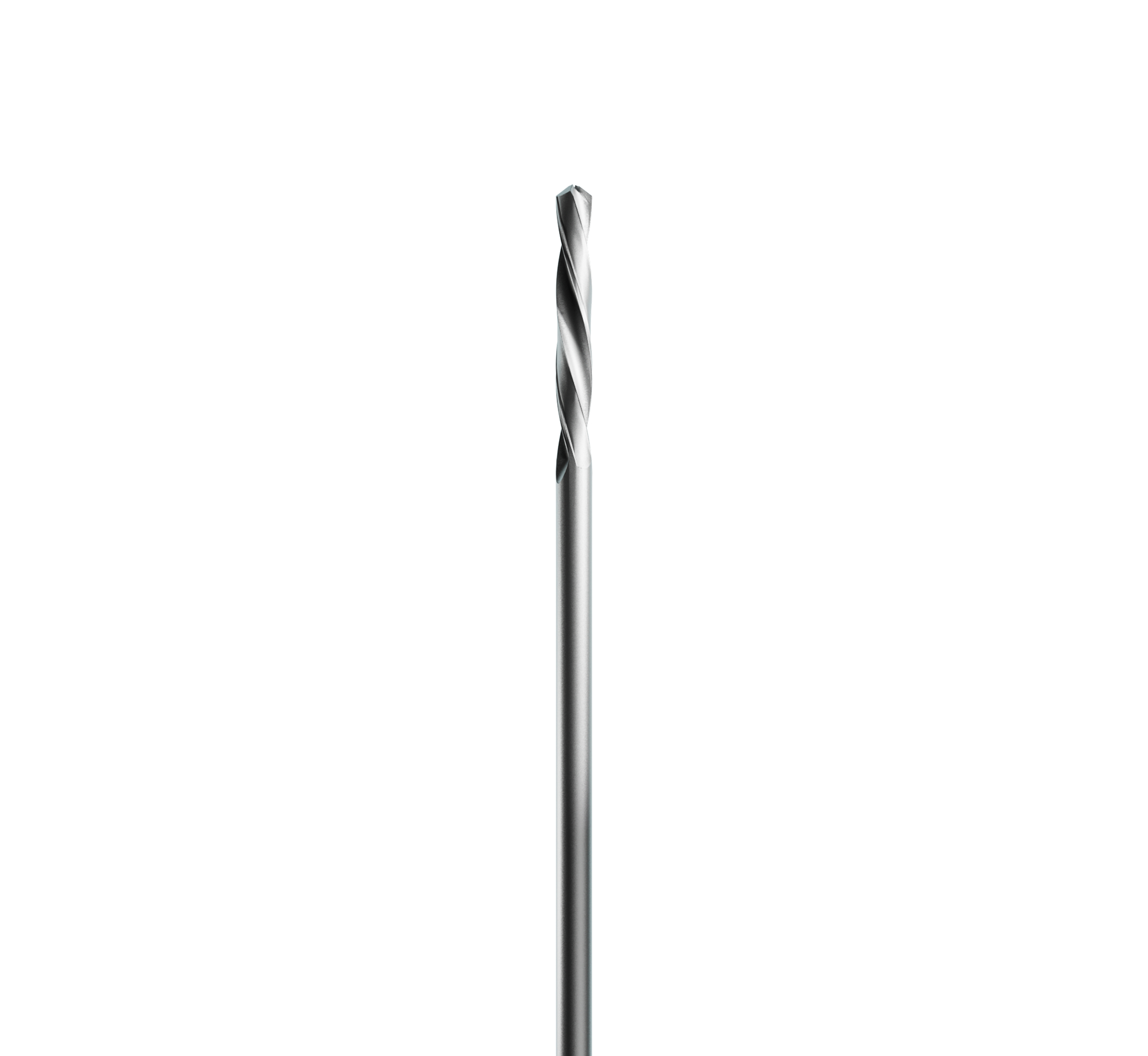
The cutout in the middle is adapted to the width of the passing pin, making it easy to position the cannulated drill precisely over it.
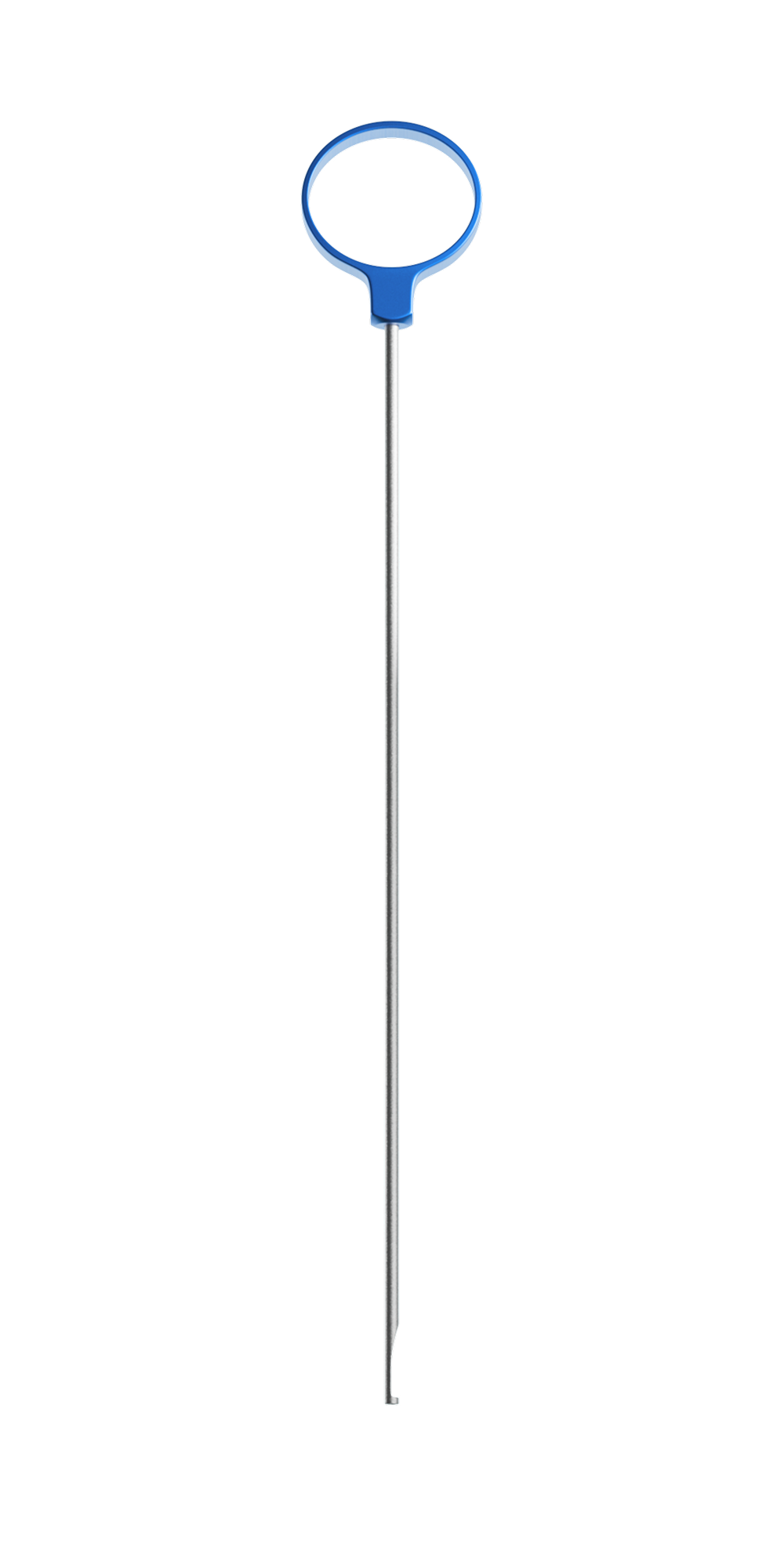
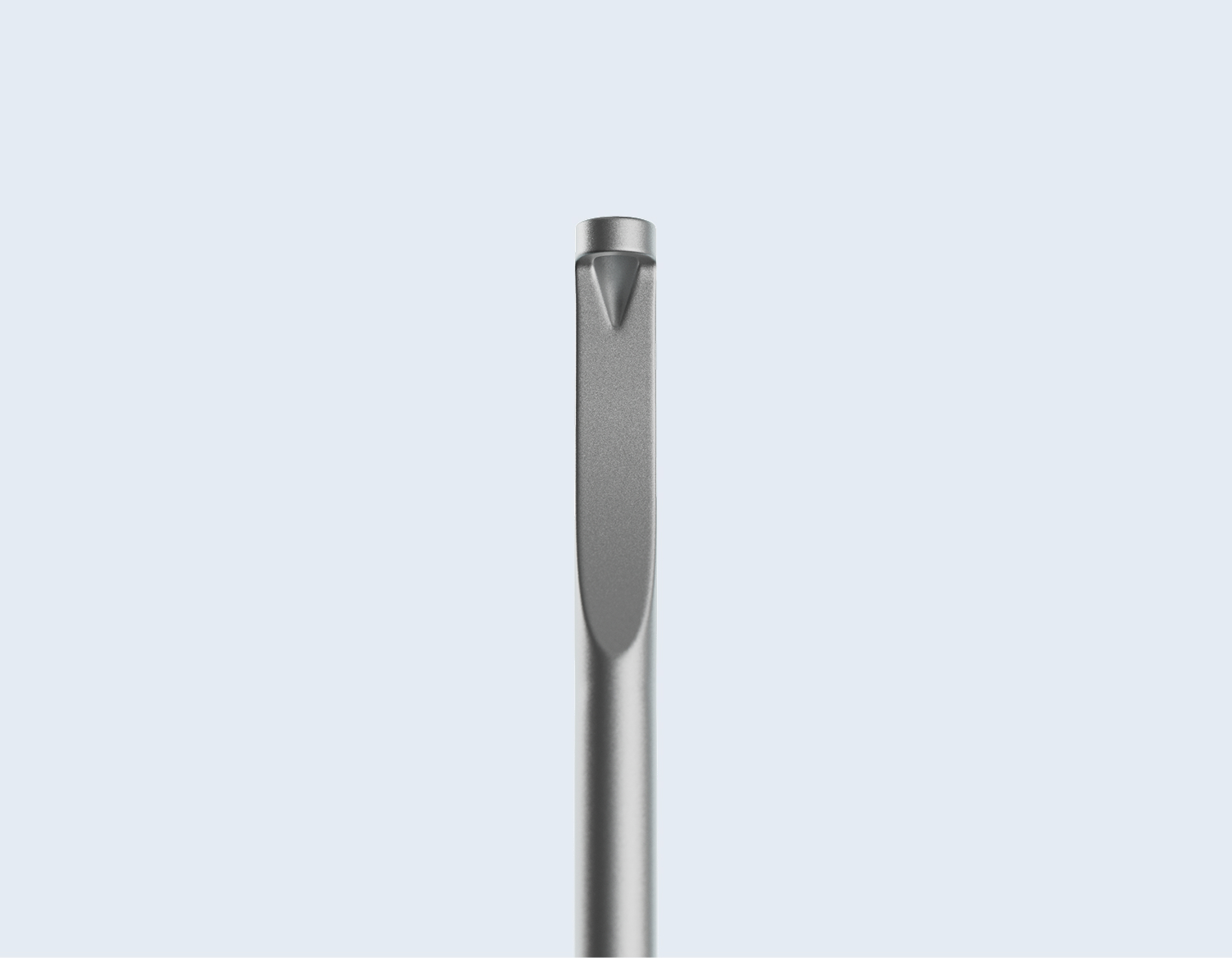
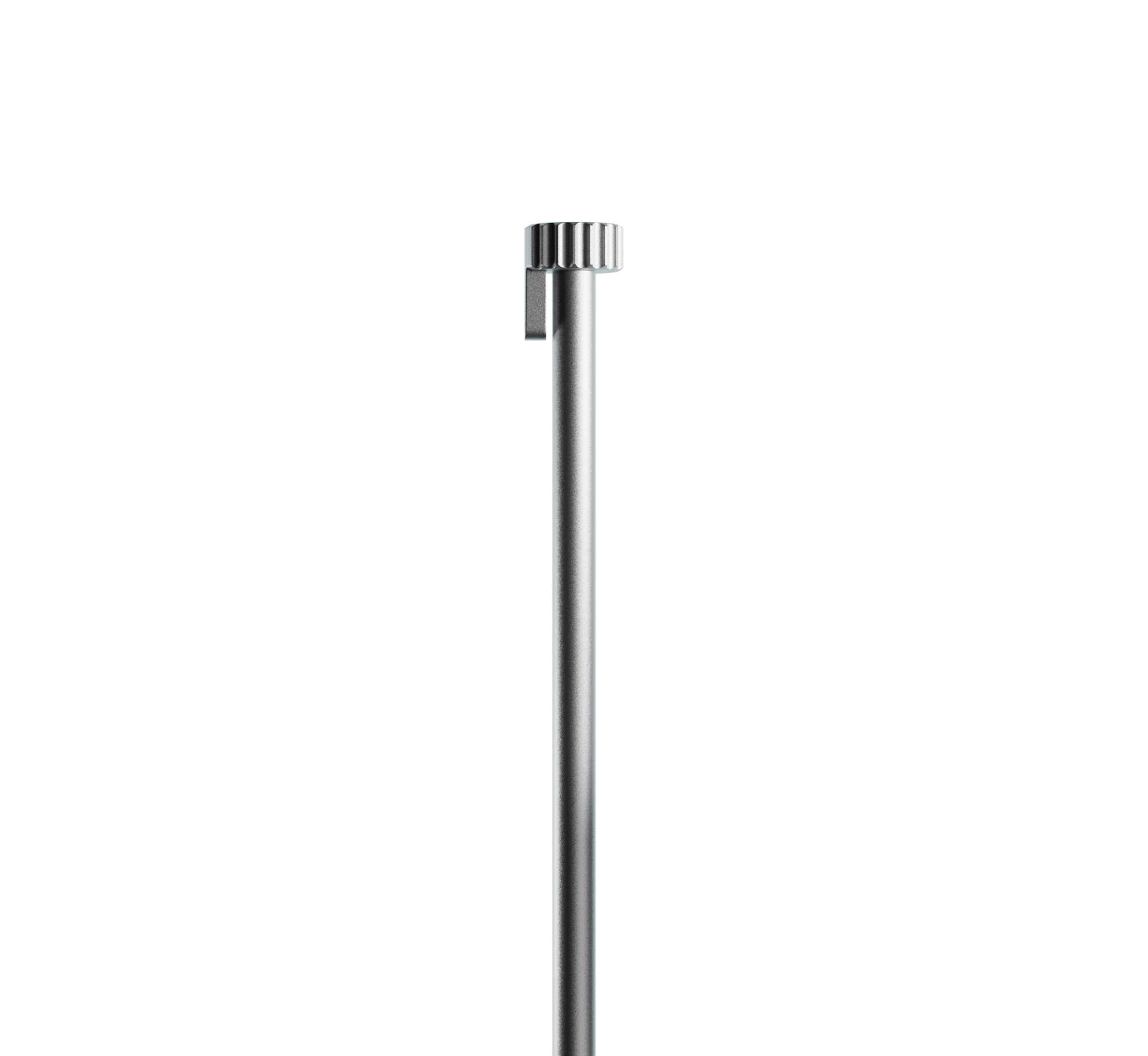
The extended length of the knot pusher makes it easy to position the tendon in the tunnel.
UniCortTM Tools
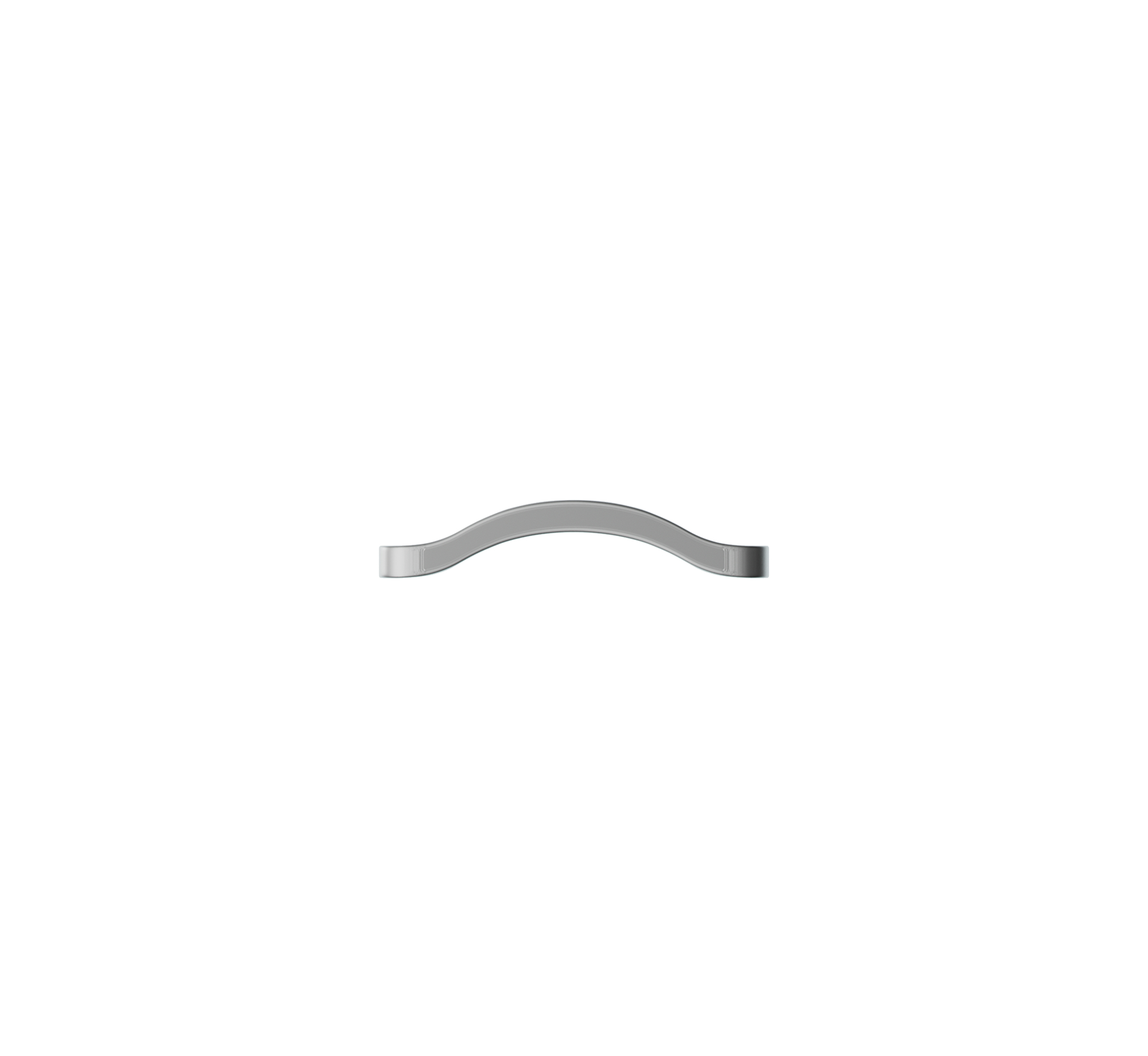
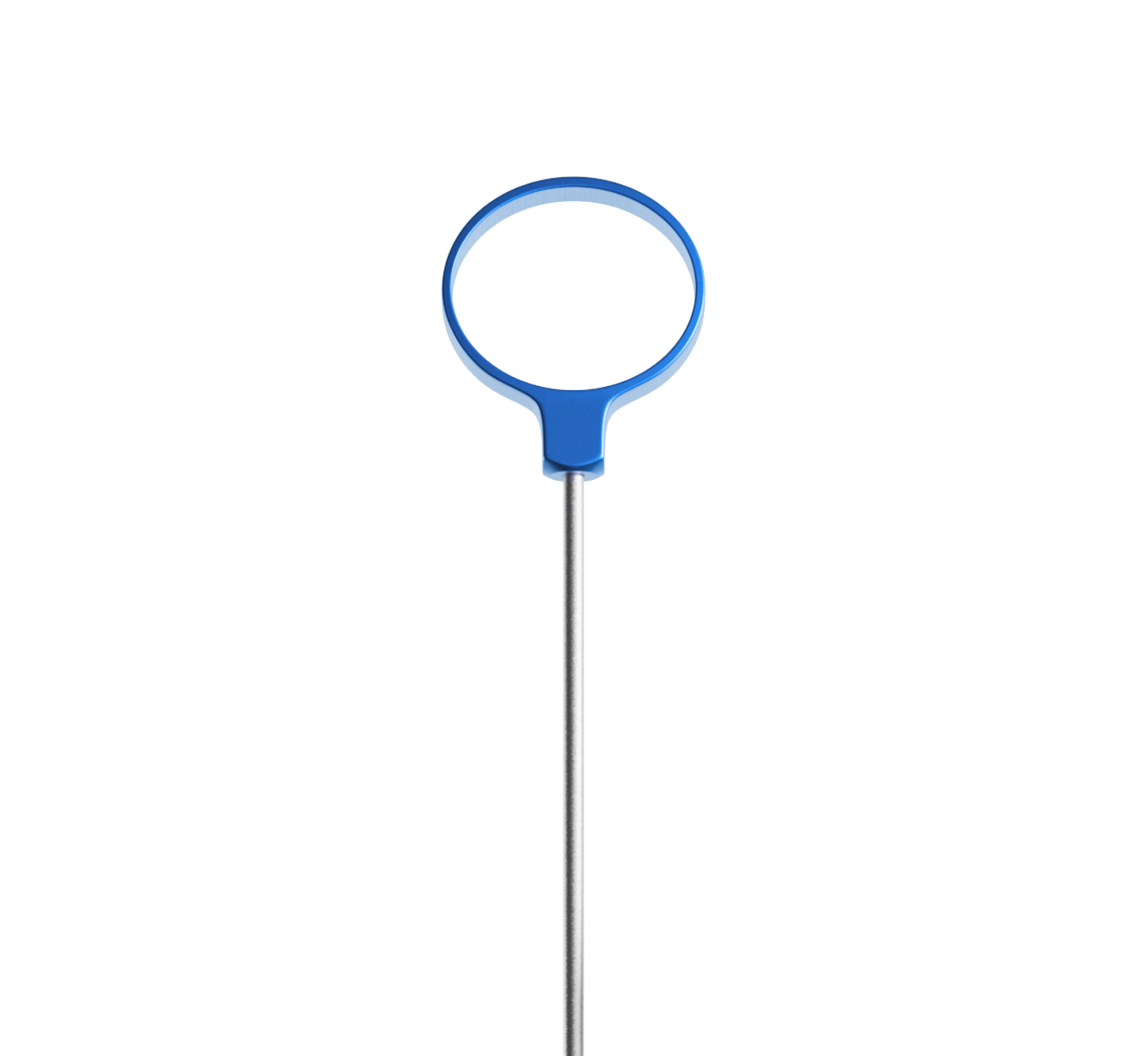
Our UniCortTM Elbow Button comes with a set of custom instruments. Those have been engineered with very specific features to optimise intraoperative precision.
.png)
MD, PhD
Co-developer of UniCortTM
Elbow surgeon at Orthoca
The UniCortTM Elbow Button is the new standard for distal biceps tendon repair.

MD, PhD
Co-developer of UniCortTM
Elbow surgeon at ZOL Genk
We have developed a new fixation device based on the limitations of existing techniques and the anatomical characteristics of the radial tuberosity. Early functional outcomes have been very encouraging.


Experience it first-hand
First-hand evidence and hands-on experience set our approach apart. That is why we invite other surgeons to view procedures from a different perspective too: attend a surgical procedure at (y)our operating table or take part in an online demonstration.